Originally published on May 13, 2026. This is a developing situation and details may change.
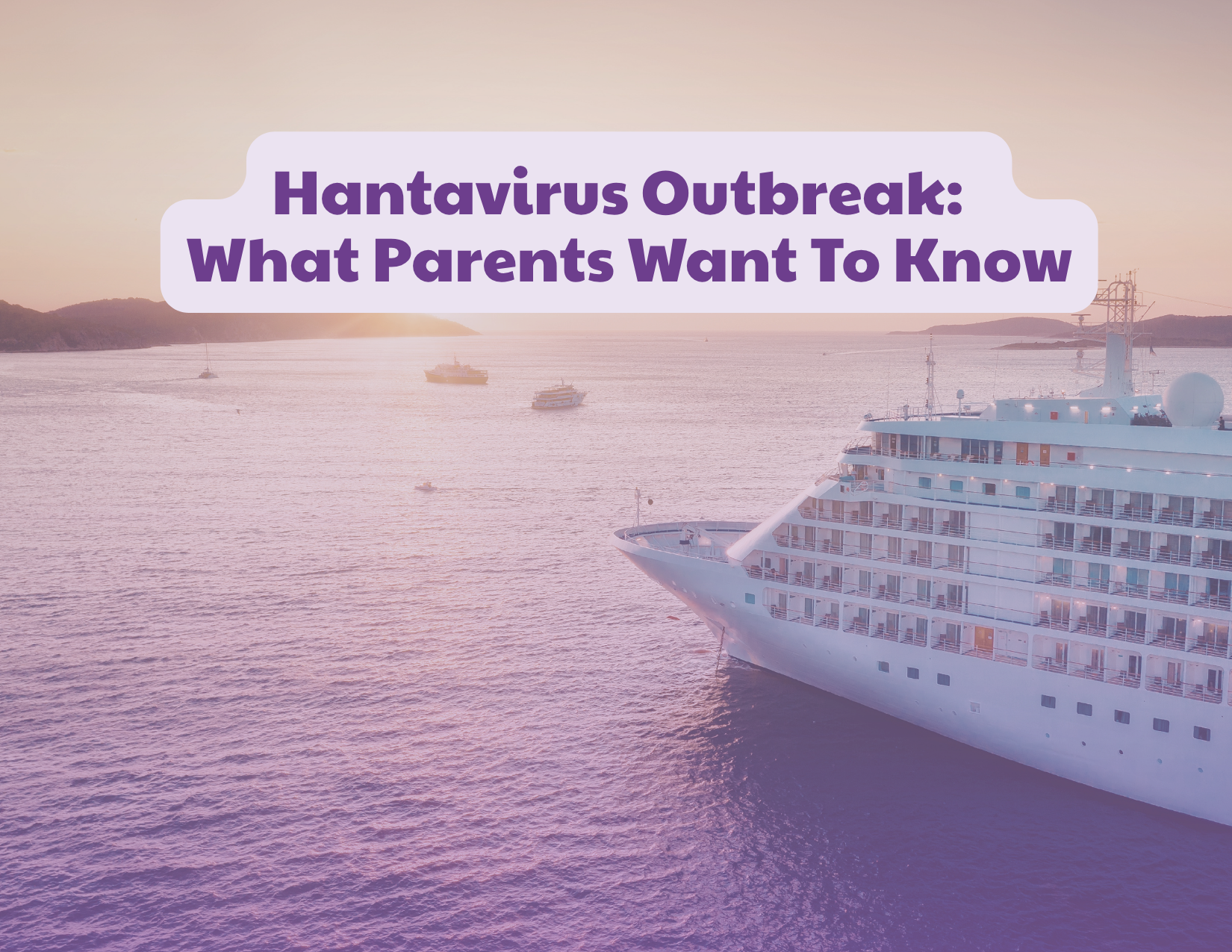
By now, you may have heard news reports and social media discussions about Hantavirus, a virus circulating among guests on a cruise ship called the MV Hondius that has led to serious illness and fatalities. We’re here to break down the information you need to know right now to help you stay informed, not in fear.
What Happened With the MV Hondius Hantavirus Outbreak?
- The Hantavirus outbreak originated on the MV Hondius, a cruise ship with 150 passengers, in early April.
- Hantavirus is typically transmitted by rodents, but none were found on the ship. Theories emerged of a couple who had been birdwatching in Argentina and Chile and may have been exposed, without symptoms, prior to boarding.
- Health officials believe the current outbreak involves the Andes strain of Hantavirus, a rare strain that has shown limited person-to-person transmission in past outbreaks.
- The ship reported 11 illnesses and 3 deaths related to Hantavirus.
Where We Are Now.
- Passengers have been evacuated from the ship and flown home to their countries of origin.
- 18 evacuated passengers now in US being monitored at biocontainment quarantine facilities in Nebraska, Kansas, & Georgia.
- Passengers may be permitted to quarantine at home, under supervision.
- CDC assessments are underway.
What Are Symptoms of Hantavirus?
Hantavirus symptoms include
- Fever
- Fatigue
- Shortness of Breath
- Muscle Aches
- Headache
These symptoms can take up to 42 days to appear. Families should contact their healthcare provider if they develop concerning symptoms after known exposure.
Do I Need to Worry About Getting Hantavirus?
- At this time, no, unless you’ve been knowingly in direct contact with an infected person.
- Unlike the start of COVID-19, public health experts are familiar with management of this virus and are closely tracking developments.
- The fundamentals of good public health are critical to prevent spread of illness.
- Expert sources such as the World Health Organization, CDC, and your local health department are your best place for up-to-date information.
When Should I Call My Pediatrician?
If you still have concerns, it is always a good idea to have a conversation with your pediatrician. News about emerging illnesses can feel overwhelming for parents, especially when information online changes quickly. One of the benefits of concierge pediatric care is having direct access to a trusted pediatrician who can help you understand evolving health concerns, answer questions, and guide your family with evidence-based information. We are here to partner with you and help you remain informed, not in fear!